How is your longevity actually holding up?
No vague promises.
A structured read on your six longevity pillars, in less than four minutes.
Success at work should not cost you your health.
This mirror shows you where your system is losing ground right now, and where it makes sense to begin.
What the Longevity Mirror does
Find the blind spot in your energy and your habits.
Built on current longevity research, psychology (ACT) and Shaolin principles, you get a clear profile of your six longevity pillars:
Nutrition
Movement
Sleep & Recovery
Mental Strength
Social Connections
Healthy Habits
This is not a motivation test.
It shows you where structure is missing.
What you get
In four minutes you find out:
✔ Where you lose the most energy
✔ Which pillar is undercutting your stability
✔ Which small change carries the biggest leverage right now
No hype. No extremes.
Clarity.

Evidence-based

Holistic

Personalised
Who is it for?
For reflective, ambitious people in midlife who:
know most of it already and still do not act on it consistently
want to get through Thursday afternoon without a third coffee
have no appetite for a radical turnaround
want a structured, realistic route instead
You choose what comes next
There is no one way for all. There is only your way.
It's up to your, whether you move on to your Longevity Checkup, our Longevity-Workshop “Your 40 Days Experiment“, sign up for our Longevity-Programm or dare to try 1:1 Coaching with me.
Your Longevity Checkup
Find out where you stand
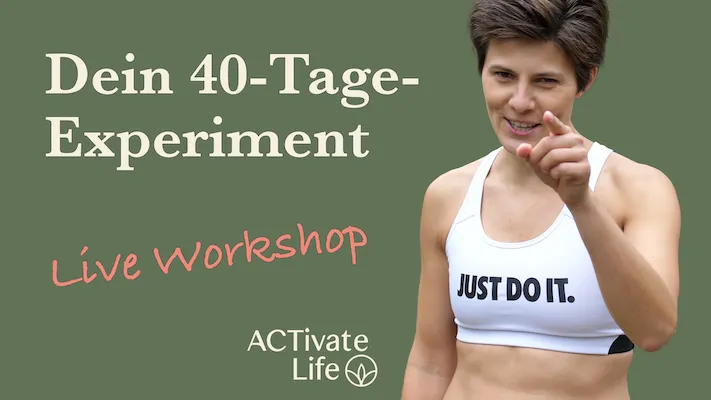
Longevity-Workshop “Your 40 Days Experiment“
New routines rarely settle overnight. In this workshop we write goals that fit your life, and you run them for forty days. More quality of life in the here and now, without pressure.
About me
I am Diana Huth. Psychologist, stress trainer, human.
I do not believe in quick hacks. I believe in change that holds.
After years in psychological practice and in Shaolin training, one thing became clear to me: health needs a stance. In the body and in life.
That is why I founded ACTivate Life, as a place for people who do not need to be perfect and want to stay healthy for a long time.



What others say
Translated from German
“I usually have little patience for relaxation exercises. Here I felt active the whole time.“
“By far the best course. Highly competent and so compact. Simply unbeatable. Big compliment“
“Diana has a way of keeping me going. Calm and motivating at the same time, and easy to follow.“
Anna
Project Managerin

Markus
Marketing Manager
Valeria
PR Consultant
Know more. Live better.
Evidence-based advice for a long and healthy life.
Gain inspiration about longevity, stress relief, routines and traditional martial arts – with psychological depth and practical advice.
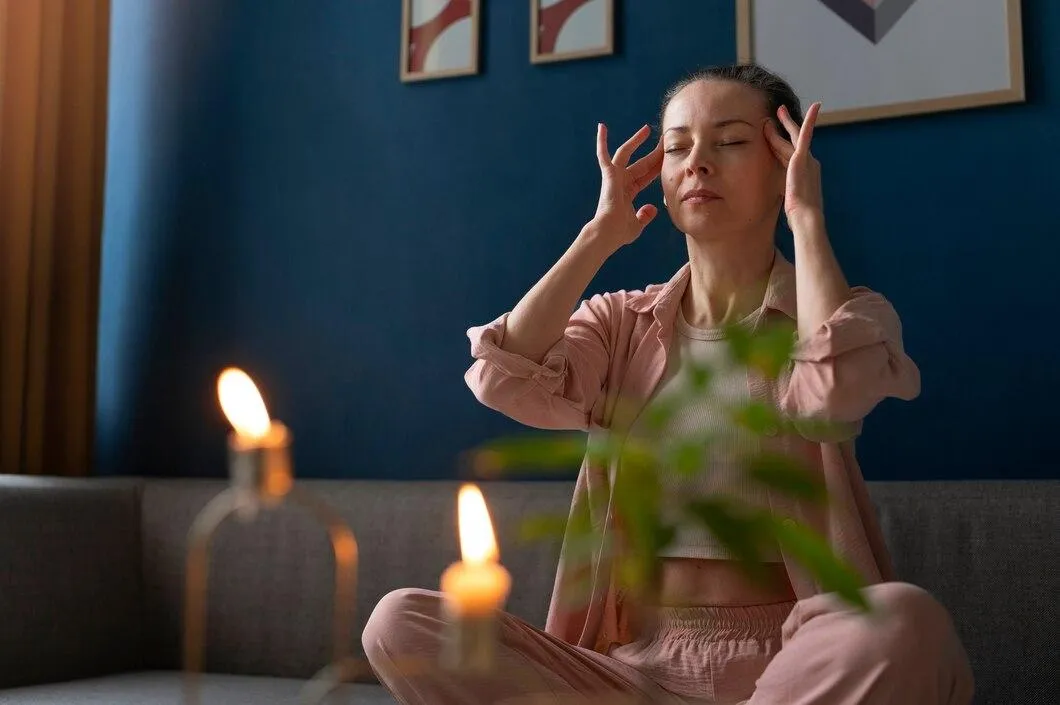
Mind-Body Connection: How to Harness Your Inner Power for Healing
The mind-body connection is a powerful concept that emphasizes the deep relationship between our mental state and physical health. By tapping into this connection, you can promote healing, reduce stress, and cultivate overall well-being. In this blog, we’ll explore the science behind the mind-body connection and practical ways to harness its power for healing and wellness.
1. Understanding the Mind-Body Connection

The mind-body connection refers to the way our thoughts, emotions, and beliefs can influence our physical health. Stress, for example, can trigger physical symptoms like headaches or a weakened immune system. Conversely, positive thoughts and emotions can boost your body’s natural healing abilities. Understanding this link is the first step in using your mind as a tool for physical and emotional well-being.
2. The Role of Stress in Healing
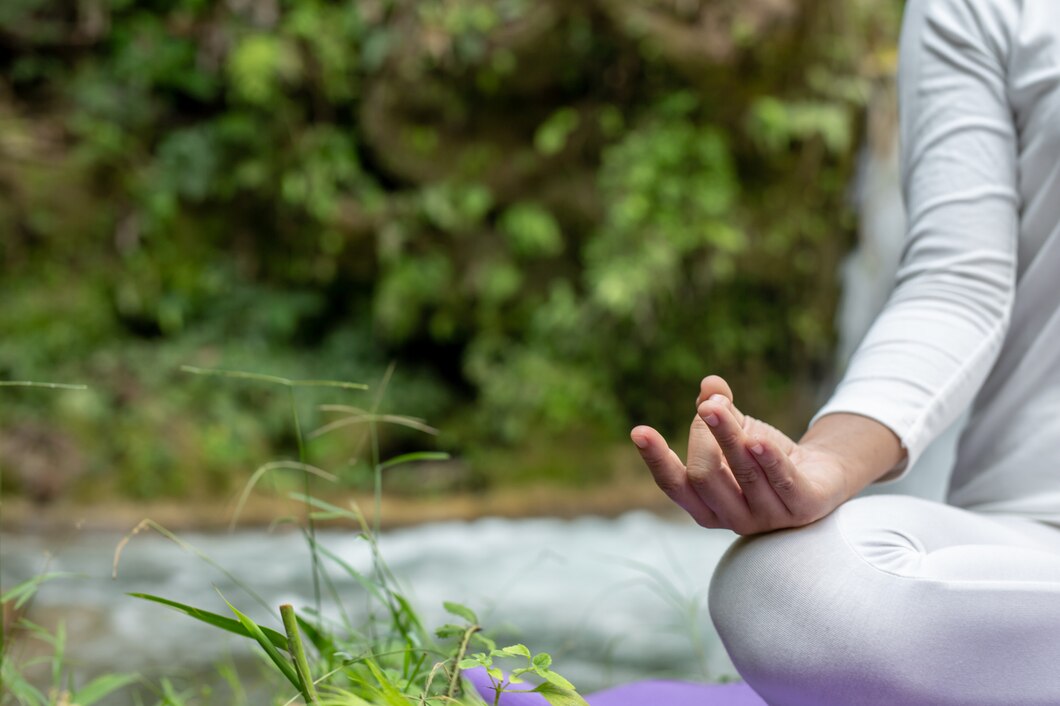
Chronic stress disrupts the body’s natural balance, leading to inflammation, high blood pressure, and other health issues. Learning to manage stress is essential for maintaining the mind-body connection. Techniques like deep breathing, yoga, or progressive muscle relaxation can help calm your nervous system. By reducing stress, you allow your body to focus on healing and restoration.
3. The Science of Mindfulness

Mindfulness is the practice of being present in the moment without judgment. Research shows that mindfulness can reduce anxiety, improve focus, and even alleviate chronic pain. By practicing mindfulness meditation, you can strengthen the mind-body connection and promote mental clarity. Begin with just a few minutes a day, focusing on your breath or a calming sensation, and gradually extend your practice over time.
4. The Power of Positive Thinking
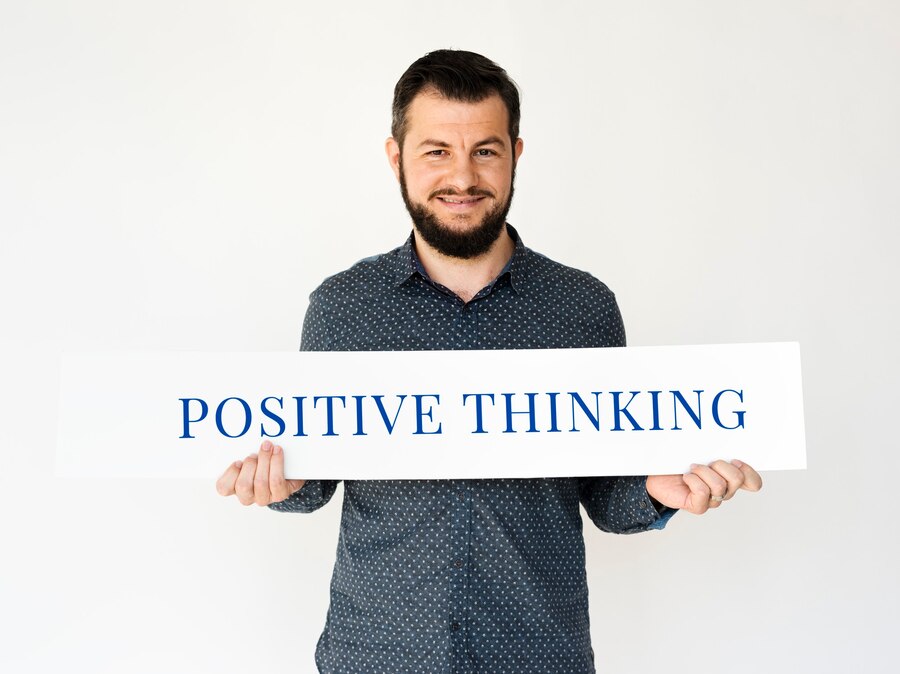
our mindset has a profound impact on your health. Positive thinking can boost immunity, lower blood pressure, and improve recovery times. Affirmations, visualization, and gratitude practices are powerful tools for cultivating positivity. For example, visualizing yourself healthy and strong can signal your brain to release hormones that support healing. By shifting your focus to positive outcomes, you can rewire your brain for resilience and well-being.
5. Healing Through Movement

Physical activities like yoga, tai chi, and dance are excellent for strengthening the mind-body connection. These practices combine movement with breath awareness, promoting relaxation and improving physical health. Regular movement also releases endorphins, the body’s natural feel-good chemicals, which reduce pain and elevate mood. Engaging in these activities consistently can also enhance flexibility, balance, and overall vitality.
6. The Role of Breathwork

Breath is a bridge between the mind and body, and conscious breathing techniques can have profound effects on your health. Practices like diaphragmatic breathing or alternate nostril breathing can reduce stress, improve focus, and lower heart rate. Incorporate daily breathwork exercises to calm your mind and enhance your body’s ability to heal. Even a few minutes of mindful breathing each day can create lasting benefits for your overall well-being.
7. Cultivating Emotional Resilience

Unresolved emotions like anger, sadness, or fear can manifest as physical symptoms over time. Emotional resilience is the ability to navigate life’s challenges while maintaining a sense of balance. Journaling, therapy, or simply talking with a trusted friend can help you process emotions and strengthen your mental and physical health. Practicing self-compassion and acknowledging your feelings without judgment can further support emotional healing and growth.


TOPICS
PRODUCTS
LEGAL
Copyright 2026. ACTitude von Diana Huth. All Rights Reserved.